


A reminder that if you would like to recommend an article or submit a question, please leave a comment on any TLV post published in the seven days leading up to our Friday Five posts (including this one). We’ll collect our favorites and include them in future editions!
The Democratic Party is poised for a very strong showing in tomorrow’s midterm election. President Trump’s approval rating as of this week is just 36.9 percent, matching George W. Bush’s rating heading into the 2006 midterms, when Democrats flipped both the House and Senate. Voters have soured on the war in Iran and the state of the economy, and are frustrated with high gas prices. Many feel that the administration has not done enough to tackle their number one issue: the cost of living.
Barring a massive polling error—which is possible, but far from a given—Democrats should win back the House and have a strong shot at the Senate, too. If that comes to pass, the party will face an important question: what lessons should it draw from its victory?
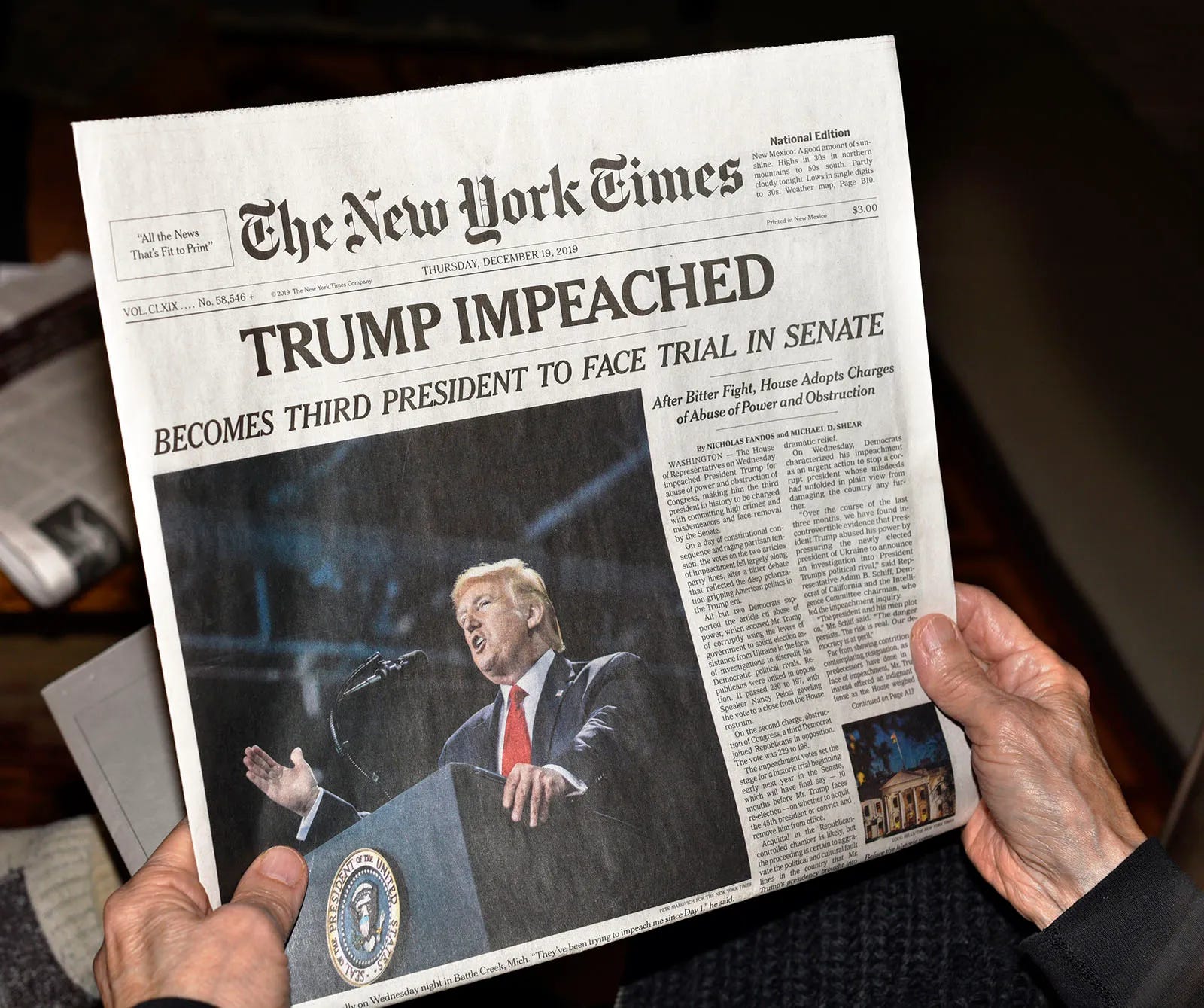
One path forward likely looks something like the period following the 2018 midterms, the first of Trump’s tenure, when Democrats won back the House with a sizable majority. Over the next two years, they devoted substantial time and energy to partisan battles with the White House. These included building on the Mueller investigation into potential Russian interference in the 2016 election and, of course, pursuing two impeachment efforts.1
They also pursued an ambitious policy agenda. While some of it focused on the issues Americans said they prioritized—healthcare and the economy—their progressive flank also pushed hard on more contentious topics, such as support for single-payer healthcare, the Green New Deal, and reparations for slavery. At the same time, the Democratic presidential primary field was taking shape, with several candidates racing to the left early on.2
Ultimately, primary voters in 2020 chose the candidate who had run the most moderate campaign, Joe Biden, and he went on to win the general election. However, Democrats actually lost seats in the House that year. And though Biden won, his victory was much narrower than people often remember: he carried three swing states by a combined margin of just 43,000 votes.3 The result was hardly an endorsement of the Democrats or their agenda. It was also a sign that the party may have misinterpreted the results of the 2018 election.4
This leads us to an alternative path for Democrats if they win big again this year, one that requires humility and acknowledges that the party still has a lot of work to do. It starts with remembering that midterms are almost always a referendum on the incumbent president and his party. This has been true for most of American history. A big Democratic victory is much more likely to reflect voter dissatisfaction with Trump and the Republicans than to be an endorsement of all the party’s priorities or a mandate for sweeping change.
Consider the results of a recent CBS News/YouGov survey. Nearly three in five likely voters (58 percent) who support Democrats in this election said their support was mainly to “stop Trump and Republican policies.” Meanwhile, only 42 percent of these respondents said they wanted to “help Democrats get their policies.”
Additionally, half of voters believed that if Republicans win control of Congress again, their policies would cause gas prices to go up and make Americans financially worse off. But voters were less certain about what would happen if Democrats won, with only about 36 percent saying they expected prices to fall or their financial circumstances to improve.
Viewed over the longer term, Americans’ views of the Democratic Party are much less warm today than they were in previous midterm cycles. This reinforces the idea that the party’s expected success this cycle is driven heavily by voter antipathy toward Trump.
The New York Times recently reported that if Democrats do win back the House, their early priorities would include stabilizing premiums on the ACA exchanges, reversing Trump’s Medicaid cuts, ending his tariffs, restoring congressional authority over trade, and ending the war in Iran. These are all broadly popular moves that address the issues voters say matter most to them, particularly the high cost of living and healthcare.
Exercising oversight of the Trump administration is also something many voters appear to support. Seeking accountability for the actions of the executive branch is a primary function of the legislative branch, and so far in Trump’s second term his party has shown little interest in doing it. Assigning this responsibility to the appropriate committees would allow the rest of the House to focus on other matters.
But some Democrats are also itching for another impeachment fight, whether against Trump himself or Secretary of War Pete Hegseth. A lengthy Senate trial could grind much of Congress’s other business to a halt and lead voters to conclude Demcrats had betrayed their trust.5 Some members of the party’s ascendant DSA faction who are set to join the next Congress have also signaled they will press House Democratic leader Hakeem Jeffries to take up a slate of contentious social issues. It’s therefore not hard to see how a Democratic majority could lose focus quickly.
Democrats would be wise to remember, even in victory, that Americans don’t much care for either party right now. Voters aren’t looking for sweeping, ideologically driven change so much as pragmatic, competent, and ethical governance that can help stabilize America’s democracy and address the economic struggles many people face. Whether tomorrow brings a wave or a ripple, Democrats should remain humble in victory, recognize that they still have work to do to restore the public’s confidence in them, and stay focused on what’s important to the vast majority of Americans when they take power.
Editor’s note: a version of this piece first appeared in UnHerd.
Notably, a growing share of Americans said during this time that they thought the party was “too liberal,” a trend that has continued since then.
They also may have only won a Senate majority thanks to drop-off among Republican voters in Georgia between the general election and the run-off elections.
Unfortunately, they would go on to misinterpret the results after both that election and the 2022 midterms, too.
And notably, while many voters don’t hold particularly favorable attitudes toward Hegseth, there is little evidence that they hold strongly unfavorable views about him either.
Your article caught me as I was thinking about Ann Richard’s great take down of George Bush-“he was born on 3rd base but thinks he hit a triple”. My fear is that Trump has committed a three base error but they’ll think they hit triple.
"Democrats should remain humble in victory, recognize that they still have work to do to restore the public’s confidence in them, and stay focused on what’s important to the vast majority of Americans when they take power" I wont hold my breath. Both parties are terrible and hopefully this opens up a path for an independent who actually gives a sh*t about the American people and the constitution.